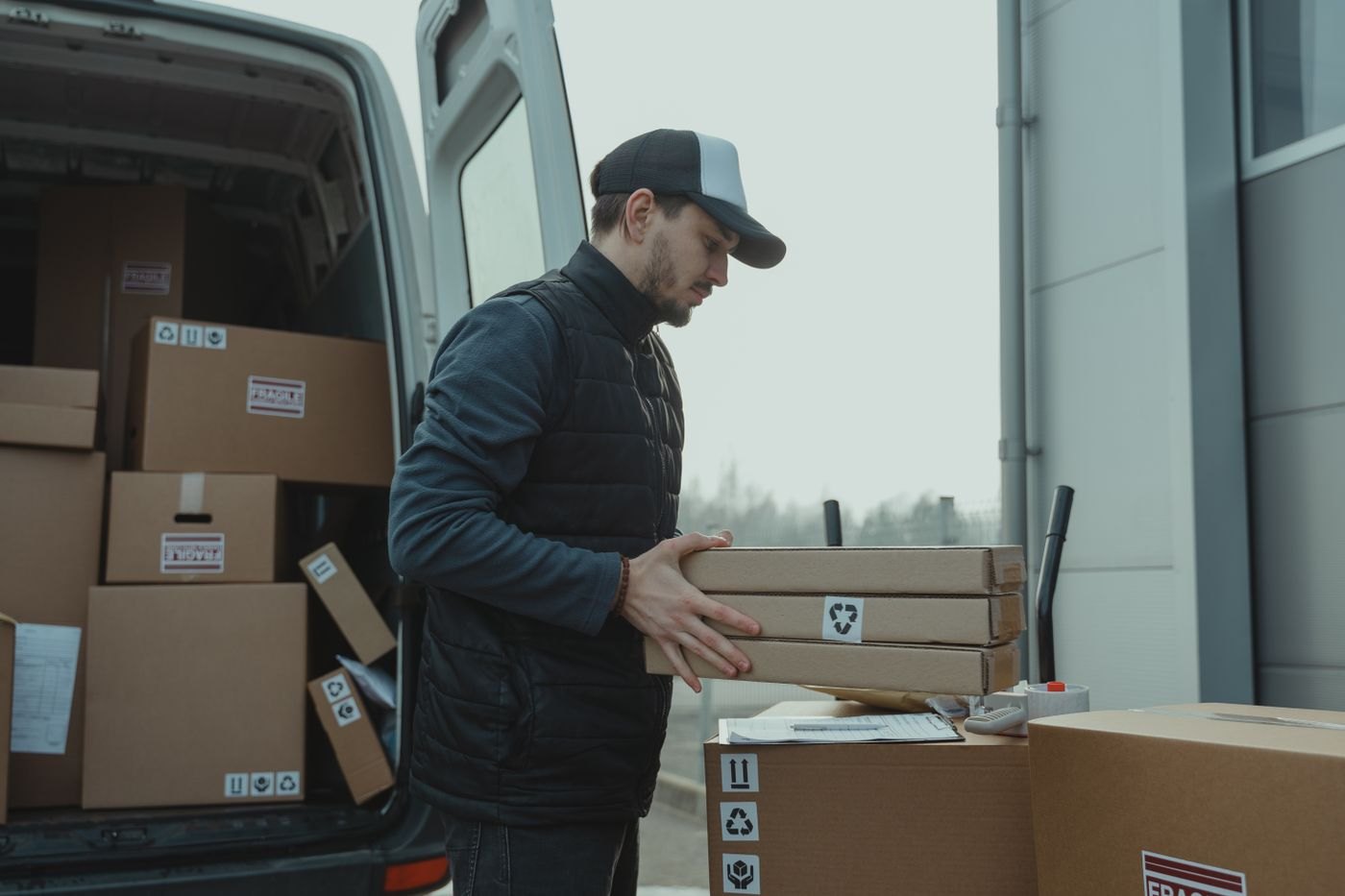
Local pickup can save a delivery journey, but it creates its own handoff. Someone must prepare the order, tell the customer when it is ready, and be available to release it. Delivery moves that handoff to a driver or carrier and introduces routing, address, and timing questions. Compare the complete workflow rather than just the visible shipping charge.
Start with where orders will be prepared and how staff work. A workshop open by appointment may struggle with unscheduled pickup, even if its location is convenient. A store with a staffed counter may handle pickup easily but have no spare person to make afternoon deliveries.
Make eligibility clear
Define the products, locations, and times supported by each option. A bulky item might qualify for nearby delivery but not parcel shipping. A made-to-order item may need a preparation period before pickup. Show these differences before the customer reaches the final payment step.
For pickup, distinguish “order received” from “ready to collect.” Include the collection location, available hours, identification or order reference needed, and what to do if someone else is collecting. Provide a contact route for a missed collection without requiring customers to guess whether their order is still held.
For local delivery, decide how you define the service area. Distance from your premises may not match driving time or practical routes. Test edge addresses, apartments, and access instructions. Keep delivery expectations realistic when a route contains several stops rather than promising every customer the same narrow arrival window.
Price the work you are adding
Compare staff time, vehicle or carrier costs, packaging, failed handoffs, and customer support. Free pickup still takes labor. A low local delivery charge may not cover a long single-order trip. You can offer a limited schedule or minimum order if it suits the business, but explain the conditions clearly.
Run a small operational trial before promoting a wide service area. Follow an order from checkout through preparation and handoff, including the message the customer receives at each stage. Try a customer choosing the wrong option and confirm that staff can correct the order without losing the payment or stock record.
After launch, review missed pickups, failed deliveries, and repeated questions alongside order volume. If people regularly arrive before orders are ready, the confirmation wording may need attention. If one neighborhood consistently disrupts the route, revisit coverage or scheduling. The best option is the one your business can deliver as described, not the one with the longest list of promises.