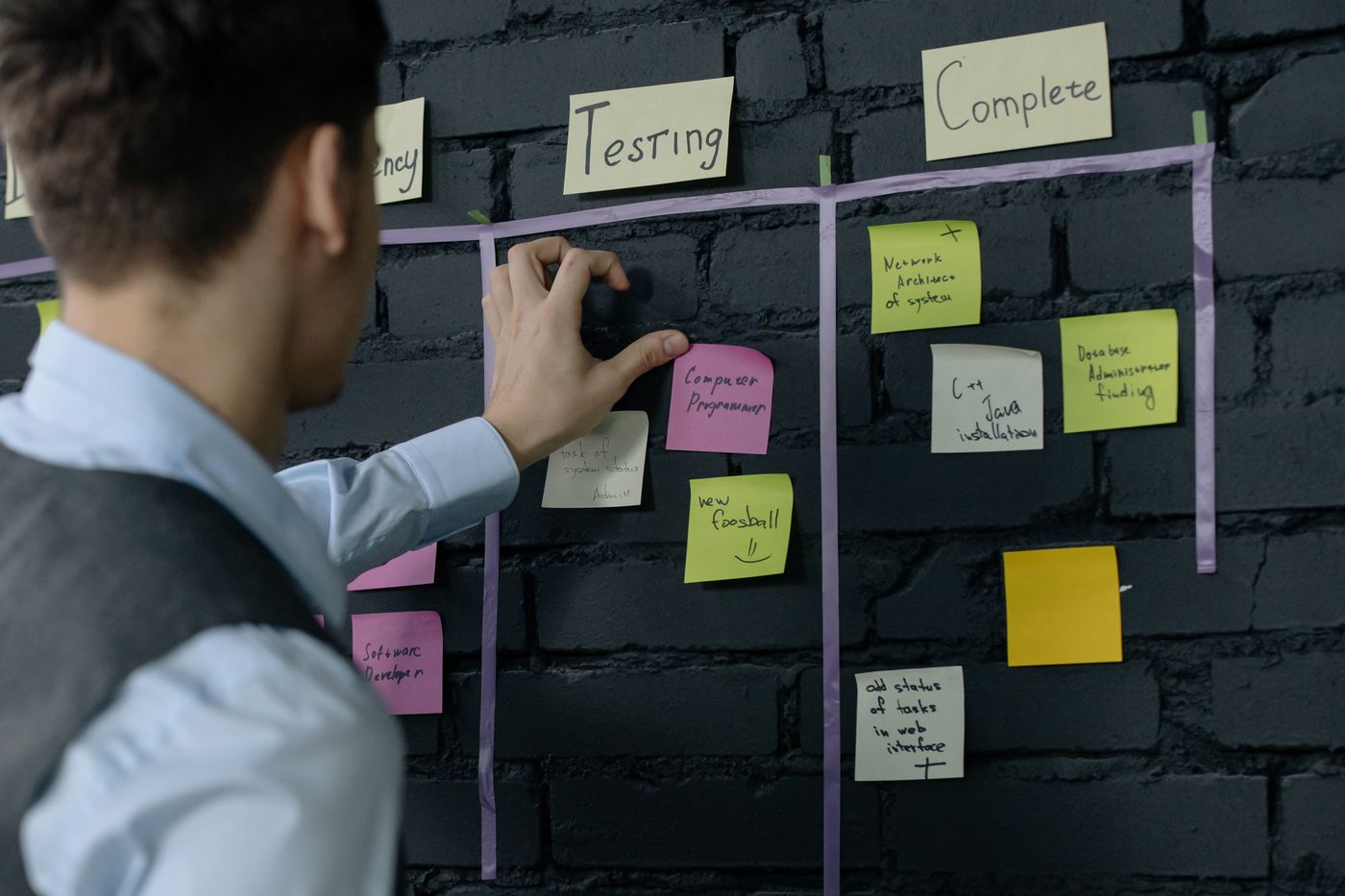
Some of your strongest work may be unsuitable for a public portfolio. A client might have confidentiality requirements, the project may be internal or the outcome may not yet be public. A portfolio can still demonstrate your approach, but removing a company name is not always enough to make a project safe to share.
Check the permissions that apply to the work before preparing the example. Consider the agreement, any confidentiality obligations and the rights in the assets you plan to show. If the position is unclear, ask for permission or obtain suitable advice. Do not assume that completing the project gives you unrestricted publication rights.
Decide what evidence you can use
An approved description of your role may be enough. You could explain that you reorganized a service website's navigation and created a content handover process, without showing private customer records or revealing the client's commercial data. Keep the account accurate about what you personally contributed and what others supplied.
If the client permits anonymized material, review whether the details could still identify them. A distinctive screenshot, a location, a revenue figure or an unusual project description can reveal more than a removed logo suggests. Ask the client to review the intended presentation, not just the idea of being included.
You can also create a self-initiated example to demonstrate a skill. Label it clearly as a concept or demonstration project. Explain the fictional brief and your design choices without inventing a real client, testimonial or business result. The example should show your work, not simulate evidence of an engagement that never happened.
Give the reader enough context
Explain the problem, the constraints and the decisions visible in the permitted material. A small before-and-after excerpt with authorization can be more informative than a gallery of unexplained screens. If you cannot show the original, describe the relevant issue without implying that the demonstration image is a real client artifact.
Avoid unsupported performance claims. A more organized process is not automatically a measured increase in sales. State what you can substantiate and distinguish observed results from intended benefits.
Keep a record of what was approved for publication and any conditions attached. If the client's permission changes or the material becomes outdated, review the entry. A portfolio is stronger when its evidence is both understandable and legitimately available to show.