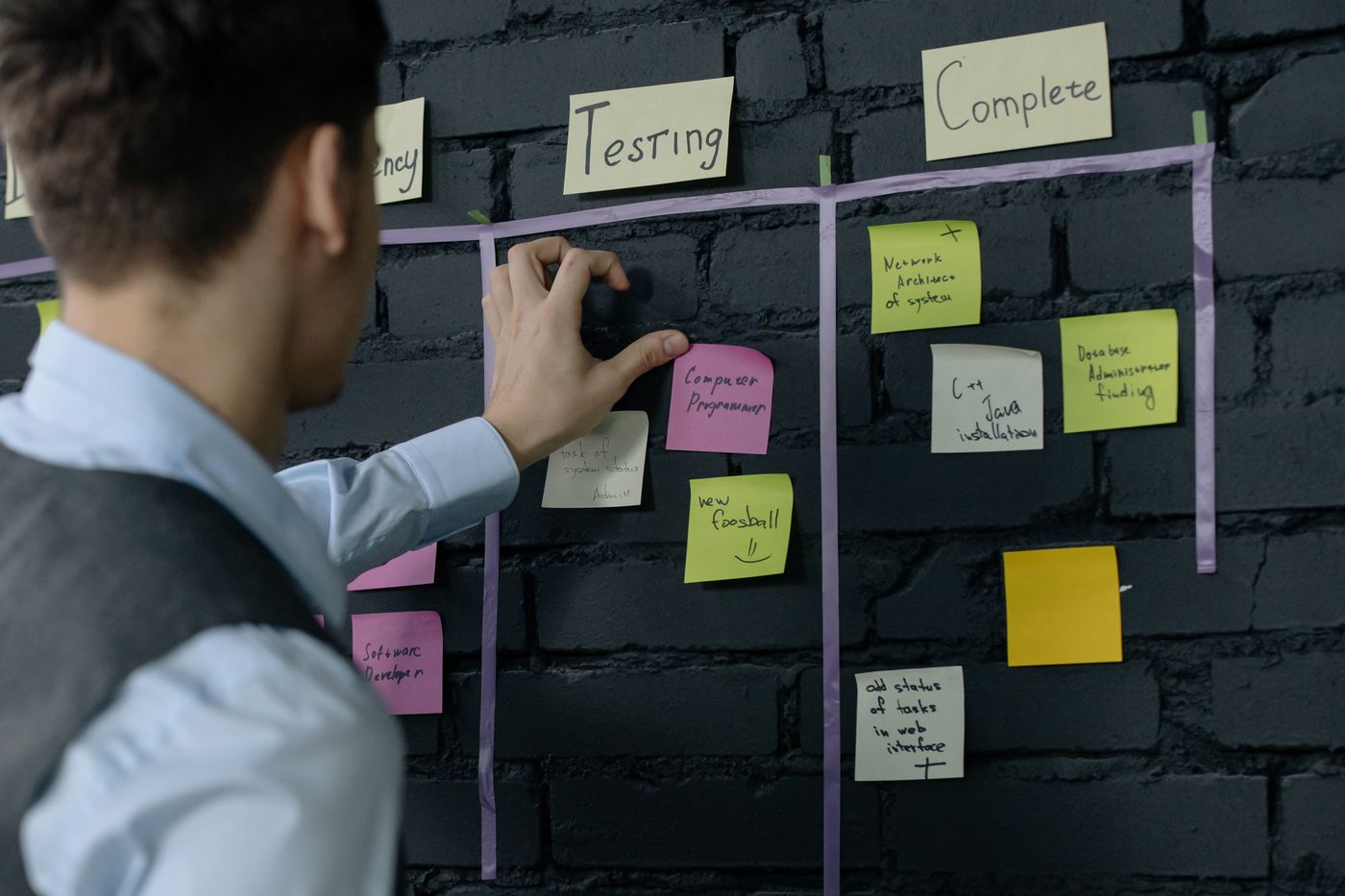
A project can remain mentally open long after the main work is delivered. There may be an unanswered approval email, a temporary account or a small item everyone assumes someone else will handle. Closing the project means identifying those loose ends and making their status explicit.
Review the agreed deliverables against what was sent. Confirm that the client has access to the final files and knows which version is current. If something is intentionally deferred, record it as deferred rather than allowing it to disappear inside a “completed” label.
Create a short list of remaining actions with owners and dates. These might include removing a staging page, replacing temporary content or confirming a third-party account transfer. Separate defects in the agreed work from ideas for a later project. Both can be valid, but they should not share an unclear status.
Check the commercial record. Send the agreed invoice or statement through the normal process and reconcile any approved changes. Avoid introducing a surprise charge during the closing message. If a financial issue is unresolved, keep it visible without letting it obscure the status of the delivered work.
Confirm any continuing support or maintenance arrangement. State the contact route and scope, or explain that the project has no ongoing service attached. A friendly invitation to get in touch should not accidentally suggest that every future adjustment is already included.
Review access and retained information. Remove temporary permissions when they are no longer needed, following the client's arrangements and any applicable retention obligations. Archive the project in a location where the relevant versions and approvals can be found. Do not retain unnecessary copies of confidential material merely because storage is available.
Send a closing summary that the client can save: delivered items, current locations, outstanding agreed actions and what happens next. Keep it separate from any request for a testimonial or referral so that the administrative purpose remains clear.
Finally, spend a few minutes on your own review. Note one thing that worked and one process change worth making. Closing a project is a useful moment to turn experience into an improved way of working, while the details are still specific enough to act on.