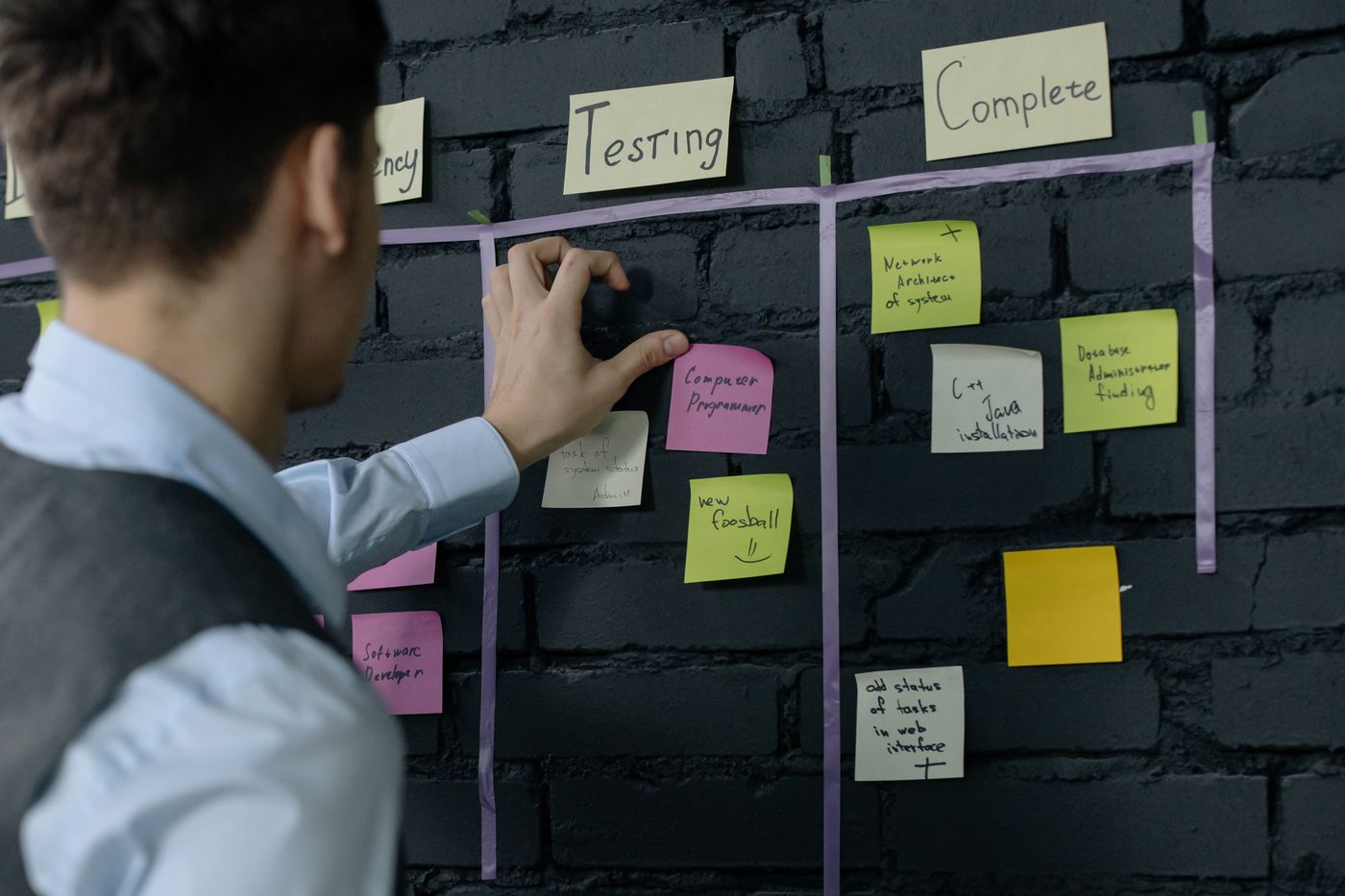
Meeting notes are useful when they help someone act after the meeting. A transcript may preserve every sentence but make the important decision difficult to find. For most small project meetings, a concise record of decisions, actions and unresolved questions is enough.
Start the note with the meeting's purpose and date. Identify the project or version discussed so that a later reader can place the decisions in context. You do not need to document every informal exchange or capture personal information unrelated to the work.
Write decisions as decisions. “Use the existing booking platform for this phase” is clearer than “Booking platforms were discussed.” Add a short reason when it will help explain the choice later, particularly if the team considered a tempting alternative.
Turn actions into specific tasks with an owner and a due date or next check-in. “Jordan will send the approved service descriptions by Tuesday” is actionable. “Content to follow” leaves the responsibility and timing uncertain. If the owner is not present, confirm the assignment rather than treating a suggestion as their commitment.
Keep open questions separate. A subject that needs investigation should not appear in the same list as an approved decision. Note what information is missing and who will bring it back. This prevents an unresolved discussion from becoming an accidental instruction.
Send the summary soon enough for participants to correct a misunderstanding. Ask them to flag inaccuracies and highlight any decision with a material effect on scope or schedule. Use the agreed approval process for those changes rather than assuming that a meeting note alone settles them.
Store the note where the project information already lives. Link it to tasks when useful, but avoid maintaining several independent copies that drift apart. The next update should be able to refer back to the note without requiring a search through personal inboxes.
At the start of the next meeting, review the few actions that matter to its purpose. Do not read the entire previous note aloud. A good record supports continuity while leaving the meeting itself free to deal with the decisions that still need people in the room.