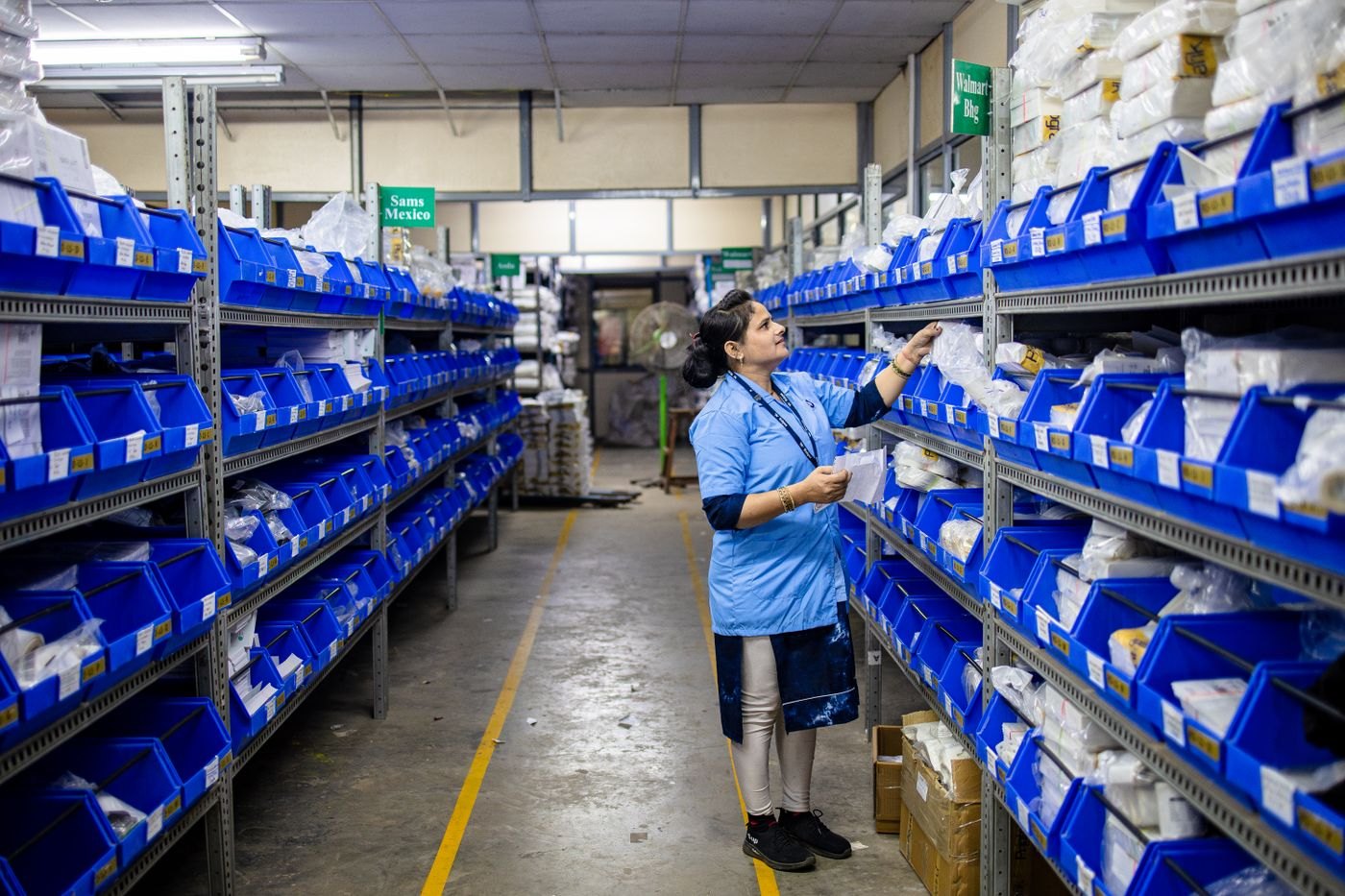
A small stockroom does not need a complicated warehouse system, but it does need a consistent way to locate and identify products. Start by separating sellable stock from incoming deliveries, returns awaiting inspection, and damaged items. Mixing those groups makes an accurate website quantity harder to maintain.
Give storage locations simple identifiers that remain useful when products move. A shelf-and-bin reference can be easier to maintain than a location named after the product currently inside it. Label both the location and the product clearly enough for someone unfamiliar with the room to use them.
Reduce look-alike mistakes
Keep similar variants distinguishable at the picking point. Two nearly identical boxes containing different sizes should not rely on memory alone. Use the product identifier, variant wording, and any appropriate barcode consistently across the stock record and packing process.
Place frequently picked items where they can be reached safely, while respecting weight and handling needs. Do not create a difficult lifting situation merely to save a few steps. Leave a clear route between storage, checking, packing, and completed parcels.
Create a designated place for orders waiting on information, items with uncertain counts, and returns that need a decision. Label the reason and responsible person in the working system. An unlabeled box beside the packing bench tends to become invisible until somebody needs its contents.
Check incoming deliveries against the expected products and quantities before making them available online. Record differences promptly. A supplier's packing list and the physical contents may not match, and publishing the expected quantity too early can create orders you cannot fill.
Make the final check independent of memory
Before sealing a parcel, compare the picked items with the order: identifier, variant, quantity, and any included accessories. For customized goods, include the approved customization record. Keep the check brief enough to perform consistently.
Count a manageable portion of stock on a planned rotation and investigate discrepancies. Repeated adjustments to one product can reveal a labeling problem, a bundle deduction issue, or samples being removed without a record.
Review the layout after the first busy period. Notice where people hesitate, set things down temporarily, or retrace their steps. Small changes to labels and exception handling often improve reliability more than buying a larger system before the existing process is understood.